

We’ve all been there: sitting on the couch at 11:00 PM, thumb hovering over a phone screen, swiping through an endless gallery of curated photos, clever bios, and the occasional picture of someone holding a fish. In those quiet moments, it is completely normal to pause and think, How on earth did finding a human connection become an endless digital catalog?
If you’re feeling a mix of curiosity, burnout, or mild amusement about the state of digital romance, take a deep breath. You are not alone, and you aren’t doing it wrong. To navigate the modern landscape without losing your sanity, it helps to understand what is online dating at its core, how we arrived at this strange digital crossroads, and where modern romance is heading next.
From Classified Ads to Algorithms: A Brief History
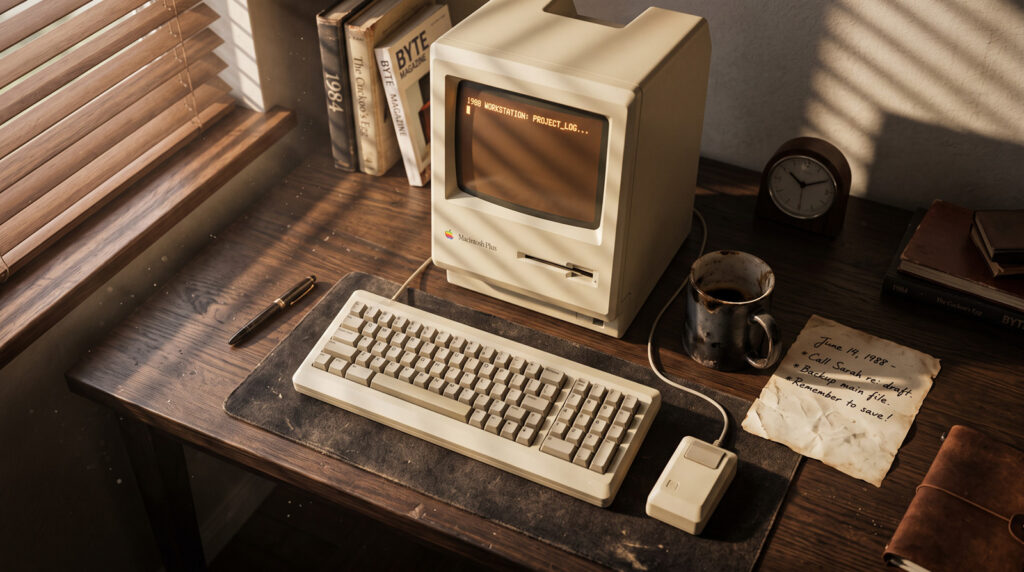
Online dating didn’t just appear overnight with the launch of the smartphone. Its roots go back much further than most people realize, evolving alongside technology every step of the way.
The Pioneers of Digital Matching
Long before internet browsers existed, people were already trying to use technology to solve the age-old puzzle of love. In 1965, two Harvard students created “Operation Match,” using a mainframe computer to pair up students via paper questionnaires. Fast forward to 1995, and Match.com launched, marking the official birth of Web 1.0 dating. Back then, creating a profile felt like filling out a detailed resume for your heart — thoughtful, desktop-bound, and relatively slow-paced.
The Swipe Revolution
Everything changed in 2012 with the rise of location-based smartphone apps. By introducing the swipe mechanic, online dating transformed overnight from a deliberate search process into an accessible, gamified daily habit. Finding a match was no longer something you did on a Sunday evening at a computer; it became something you did standing in line for coffee or waiting for the bus.
If you want to dive deeper into the nuts and bolts of navigating these platforms effectively, check out our guide on How to Date Someone Online: The Ultimate Guide to Real Connection.
Why Is Online Dating So Popular?
Today, meeting someone online is no longer a fringe alternative — it is the dominant cultural default. But why did society lean into digital matchmaking so heavily?
- Unprecedented Access: You are no longer limited to meeting people within your immediate social circle, office, or neighborhood coffee shop.
- Intentionality: On an app or website, everyone is explicitly there for connection, eliminating the awkward guesswork of wondering if someone in public is actually single or open to chatting.
- Efficiency for Busy Lives: Modern routines leave less unstructured social time, making digital platforms a convenient bridge for connecting on your own schedule.
However, high accessibility comes with a hidden tax: option paralysis and digital fatigue. When choices feel endless, every single conversation can feel temporary, making genuine intimacy harder to pin down.
The New Trends Shaping Modern Digital Romance
As users grow tired of the mindless “swipe, chat, ghost” cycle, digital dating is undergoing a massive cultural pivot. People want authenticity over perfection, and tech platforms are evolving to keep up.
1. The Death of the “Perfect Profile”
The era of polished, hyper-curated profiles is officially fading. Users are trading overly edited photos for spontaneous “photo dumps,” quirky voice notes, and prompts that show genuine personality traits over superficial highlights. People want to see who you really are, messy enthusiasm and all.
2. Video-First and Spontaneous Matching
Text messaging can often feel like an endless job interview. To combat text fatigue, platforms are moving toward real-time interaction. From quick video prompts to live chat platforms — like those explored in our Thundr Dating App Review: Is Random Video Chat the New Way to Find Love? — singles are seeking immediate chemistry reads before investing weeks in dry messaging.
3. Hyper-Intentional Dating (“Slow Dating”)
After years of rapid swiping, “slow dating” is gaining massive traction. Singles are intentionally matching with fewer people, having longer conversations, and setting up real-life dates faster to avoid building up unrealistic fantasy versions of people in their heads.
If you are navigating the early stages of a new match, figuring out the right communication balance is crucial. For practical guidance on pacing, read about How Often to Text Before First Date? Finding the 2026 Sweet Spot.
How to Navigate Online Dating Without Losing Your Mind
If you feel overwhelmed by the modern digital dating landscape, a few simple mindset shifts can protect your energy and make the experience enjoyable again:
- Set Firm Time Limits: Treat dating apps like an offline activity. Limit your usage to 15–20 minutes a day so swiping doesn’t turn into a mindless doomscroll.
- Move from Screens to Real Life Quickly: Use the platform to establish a basic safety and chemistry check, then transition to an offline meeting or audio call within a week.
- Focus on Depth Over Quantity: Three meaningful conversations will always feel more fulfilling than thirty superficial chats that lead nowhere.
- Ditch the Interview Script: Skip standard, boring questions about what someone does for work. Jump straight into fun, memorable topics or plan interactive outings. If you need inspiration, explore these Unique Date Ideas to Skip the Small Talk and Actually Connect.
Sara’s Takeaway
At the end of the day, online dating is simply a tool — a digital doorway, not the house itself. Apps don’t create love; real human beings do. Don’t let algorithms tell you your worth or dictate your patience. Use the tech to open the door, keep your boundaries firm, and let your authentic, wonderfully imperfect self shine through once you step into the room.