
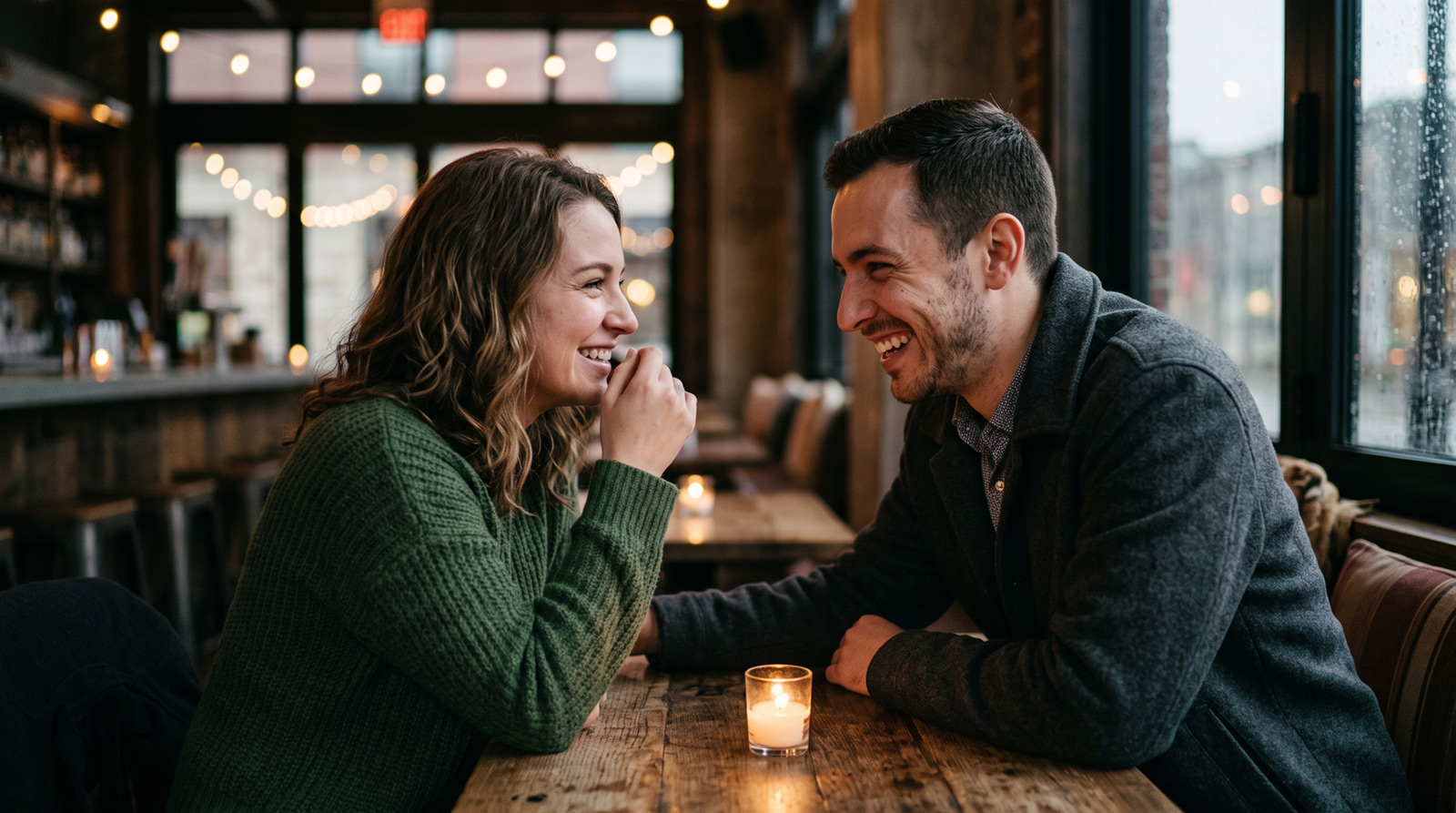
Let’s be honest for a second. When was the last time you felt a genuine spark while scrolling through a dating app at 11:30 PM in your pajamas? If you are feeling a bit burned out by digital ghosting and endless text banter that goes nowhere, you are definitely not alone.
Something fascinating is happening in the single world right now. Speed dating participation increased 63% year-over-year in January 2024, while dating app downloads grew a tiny 1.9% in the exact same period. We are tired of screens. We want real human energy, real smiles, and immediate vibe checks.
Whether you are curious about attending your very first event or just wondering how three-minute dates actually function, let’s unpack the history, mechanics, formats, and surprising truths behind the original fast-track to romance.
How speed dating was born in a coffee shop
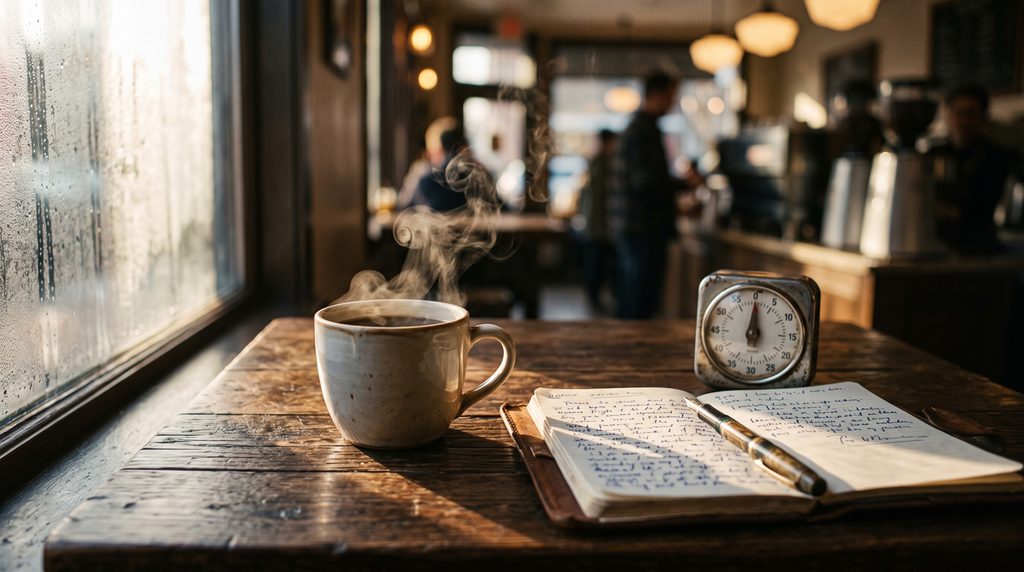
Before we jump into how it works today, we have to appreciate where this all started. Speed dating was not created by a giant tech corporation or a group of Silicon Valley engineers. It was invented in 1998 by Rabbi Yaacov Deyo and a group of his Jewish students in Los Angeles.
The goal was simple. They wanted to help Jewish singles meet and marry within their faith without spending months on awkward first dates that led nowhere. The solution? Put a room full of people together, give them five minutes each, and ring a bell to switch.
It was an instant cultural phenomenon. Within two years, pop culture embraced it completely. Shows like Sex and the City and movies like Hitch turned mini dates into a global dating staple. Decades later, as online dating fatigue reaches an all-time high, this analog approach is having a massive revival.
The mechanics: what actually happens at an event?
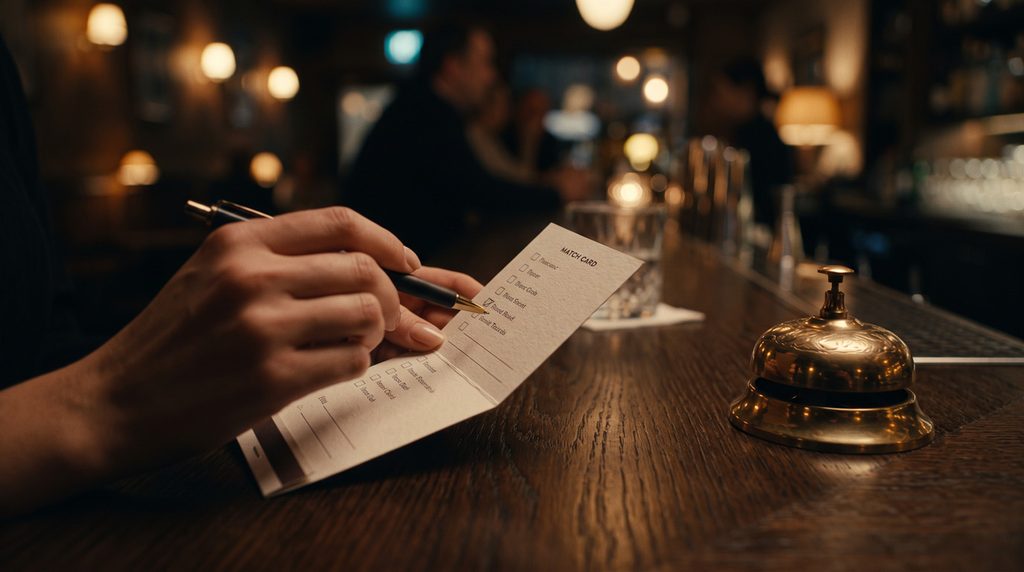
If the idea of walking into a room full of strangers makes your heart race, don’t worry. The structure is designed to take away the awkwardness of approaching someone at a regular bar.
Here is how a standard evening unfolds:
- The Check-In: You arrive, get a name tag, and receive a match card (or an event app link on your phone).
- The Rotation: Usually, half the group stays seated at individual tables while the other half rotates every 3 to 7 minutes when a chime rings.
- The Mini-Date: You chat, check the vibe, and keep it light. No pressure to give out your phone number on the spot.
- The Notes: On your card, you mark “Yes” or “No” (or sometimes “Friendship”) next to the person’s name.
- The Results: Within 24 hours, the host cross-checks the cards. If you both said “Yes,” you receive each other’s contact info.
It is fast. It is direct. And best of all, if a date is terrible, you only have to survive it for 180 seconds.
Typical speed dating event
1. Arrival & Nametag –> 2. 3-7 Minute Dates –> 3. Mark Card –> 4. Ring Bell / Rotate –> 5. Host Matches Results –> 6. Get Numbers
Modern formats: from cozy pubs to niche hobbies
Speed dating is no longer just sitting at small tables in a crowded restaurant. The market has expanded into a massive industry. The global dating services market was valued at $4.37 billion in 2024 and is projected to reach $10 billion by 2035. With that growth comes tons of creative formats:
- Traditional Sit-Down: The classic bell-and-table setup in a lounge or private bar area.
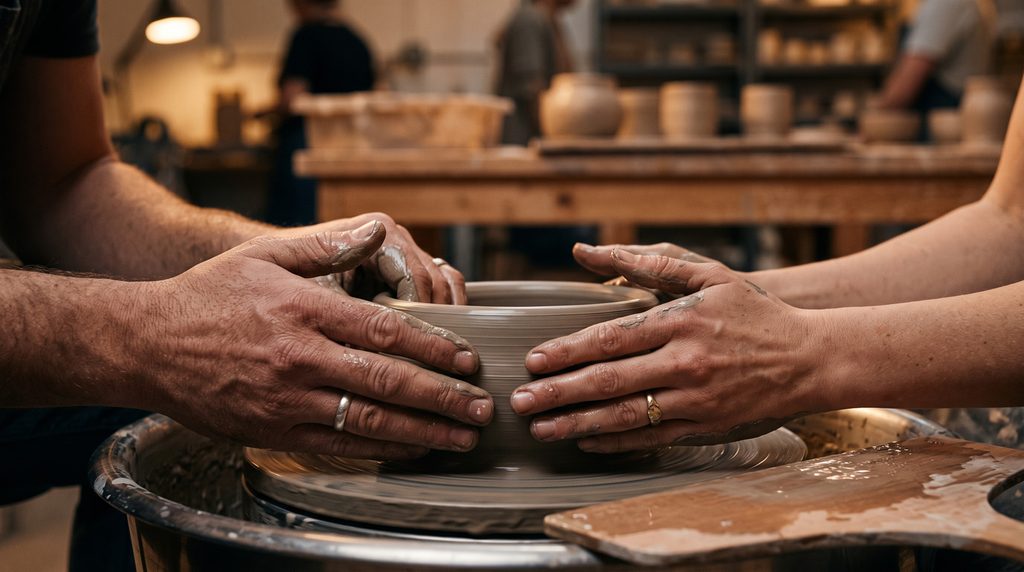
- Activity-Based: Board game nights, cooking classes, or pottery sessions where you switch partners while working on something together.
- Niche & Interest-Based: Events specifically for dog lovers, anime fans, gamers, or specific career fields.
- Virtual Speed Dating: Video-based mini dates from home, usually run through a automated app dashboard.
Prices vary depending on how fancy the experience is. Ticket prices range from $15–$25 for casual mixers in smaller towns, up to $35–$60 for city events with private venue buyouts, and even $80–$200 for premium curated matchmaking nights.
What the numbers say about your odds
Now for the big question: Does this actually work? Or is it just a fun night out with friends?
The numbers tell a really interesting story. On one hand, speed dating events yield an 8% to 13% match rate per date, meaning roughly 1 in 10 mini dates turns into a mutual connection. That might sound small at first glance, but consider the alternative. On dating apps, swipe match rates for men often sit well below 2%.
In fact, approximately 87% of speed dating participants leave an event with at least one mutual match, and attendees average between 1.7 and 2.4 mutual matches per night.
Does every match turn into true love? No. Fewer than 4–6% of speed daters form lasting relationships from the format. But that is missing the point. Speed dating is not meant to replace chemistry. It is designed to get you past the digital gatekeeping so you can feel real-life chemistry instantly.
Why hosts love the business side
Beyond the single experience, hosting these events has become a thriving business for local organizers and matchmakers.
A standard event with 50 attendees paying $35 a ticket generates roughly $1,750 in revenue. After venue rentals, host pay, and marketing costs (around $800), profit margins sit close to 54%. That high margin keeps local communities stocked with fresh, well-organized events month after month.
Sara’s Takeaway
If you are tired of text conversations that dry up after three days, give yourself permission to step out from behind the screen. Speed dating will not guarantee you meet your soulmate on the very first try. But it will remind you of something critical: connection happens through body language, laughter, tone of voice, and direct eye contact.
Go into it without heavy expectations. Treat it as a fun evening out, a chance to practice social skills, and a great way to meet neat people in your city. At the very least, you’ll walk away with a few great stories!