

In the fast-paced world of 2026, where our lives are inextricably linked through digital footprints and shared social circles, surviving a breakup can feel like an impossible task. When a relationship ends, it isn’t just your heart that takes a hit; it’s your entire daily routine, your social identity, and your digital habits. As a researcher in relationship psychology, I’ve seen how the first 168 hours post-split are the most critical. This isn’t just about “getting over it” — it’s about a strategic psychological pivot. Think of this as your 7-day recovery plan to move from a state of crisis to a successful personal rebrand.
Days 1–2: The Digital Detox and Information Hygiene
The first 48 hours are about survival and damage control. The urge to check their Instagram stories or re-read old WhatsApp messages is chemically driven by a drop in dopamine. To start surviving a breakup effectively, you must implement the no-contact rule immediately. This isn’t a game; it’s essential information hygiene.
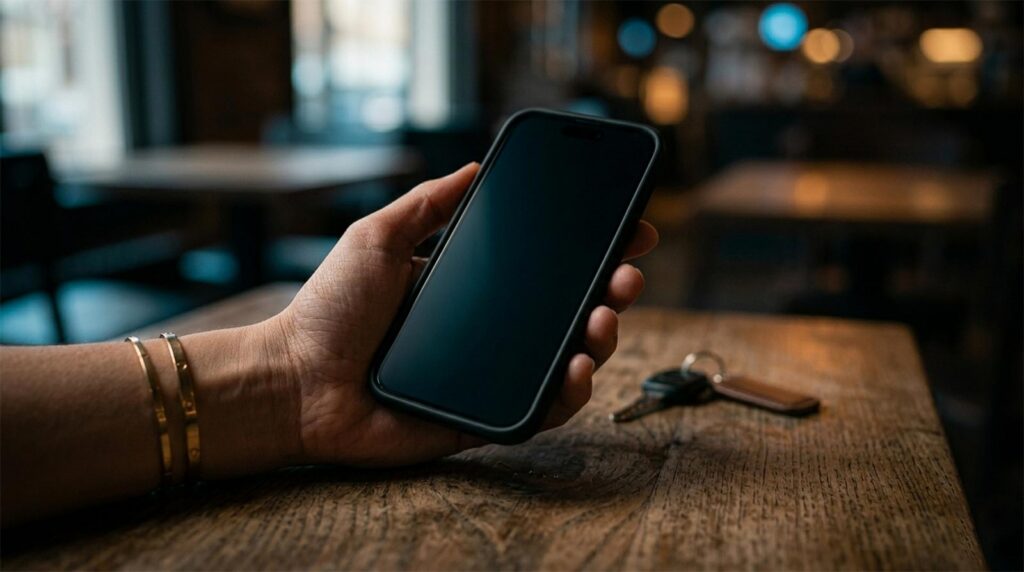
In 2026, “moving on” requires more than just deleting a number. You need a full digital detox. Archive the photos, mute the mutual friends, and resist the temptation to “soft launch” your sadness on social media. Constant digital reminders trigger the brain’s pain centers, making the healing process much longer. If you find yourself doom-scrolling, remember that Your Phone is Killing Your Love Life even after the relationship is over. Focus on grounding yourself in the physical world.
Days 3–4: The Psychological Audit and Identity Shift
By day three, the initial shock usually fades into a heavy realization. This is where the real work of surviving a breakup begins. I often tell my clients that a breakup is essentially a forced “rebrand.” You are moving from a “we” identity back to a “me” identity.
Take these two days to conduct a psychological audit. What parts of your personality were suppressed during the relationship? What hobbies did you sideline? Instead of focusing on the loss, focus on the “inventory” you now have back in your possession. This shift in narrative—from being a victim of a split to being the producer of your new life — is the core of How to Move On From an Ex and Start Living Again. Start reclaiming small spaces: change your bedroom layout, buy a new scent, or simply take a different route to work.
Days 5–6: Diversifying Your Social Capital
Isolation is the enemy of recovery. On days five and six, you need to engage your support system, but with a specific strategy. Avoid the “misery loop”—the endless talking about the ex that keeps the trauma fresh. Instead, seek out “high-vibe” social interactions that remind you of your value outside of a romantic context.
Whether it’s a workout session, a creative workshop, or a quiet dinner with a trusted friend, diversifying your social capital helps stabilize your emotional health. In 2026, we often fall into the trap of dating burnout because we rely too heavily on one person for our emotional needs. Use this time to rediscover the strength of your broader community.
Day 7: The Narrative Reset and Looking Forward
On the final day of your first week, it’s time to set the terms for your future. Surviving a breakup isn’t a linear process, and you will still have tough days, but by day seven, you should have a “No-Looking-Back” policy.
Define what “closure” looks like for you. Hint: it doesn’t come from a final conversation with your ex; it comes from the decision to stop seeking answers from the person who caused the question. Reflect on the lessons learned without the rose-colored glasses of nostalgia. If you can look at the past week and see that you’ve maintained your boundaries and protected your peace, you’ve already won. You aren’t just surviving; you are evolving.
Sarah’s Final Thought
The goal of this week wasn’t to forget the past, but to ensure the past doesn’t own your future. You’ve successfully navigated the hardest part of the journey. Now, take a deep breath — the rebrand has officially begun.